
Drought: Impacts on Wildlife
Summer 2026 has been one of the hottest and driest on record in the UK, and Scilly has not escaped from the challenges associated with this. This blog post is one of a series exploring the impacts that the drought has had so far across the islands.
Globally we are seeing wildlife struggle with the rising temperatures and here in the UK it’s no different. We are one of the most nature-depleted countries in the world and that’s why nature needs our help more than ever. The recent heatwaves burning across the UK have caused droughts, bringing with them restrictions to our water usage. It can be easy to forget that when we are asked to keep our showers to 4 minutes that water isn’t just a crucial part of our day to day lives.
Water is a fundamental part of normal ecosystem function and drought can cause nature’s delicately balanced cycles to break down. One of the most obvious consequences of drought is the drying up of our ponds, pools and streams. You may have also noticed the grass in your garden turning brown as well as large sections of our heathland habitats. However, what is much harder to spot is the knock-on effect this has on our local wildlife.
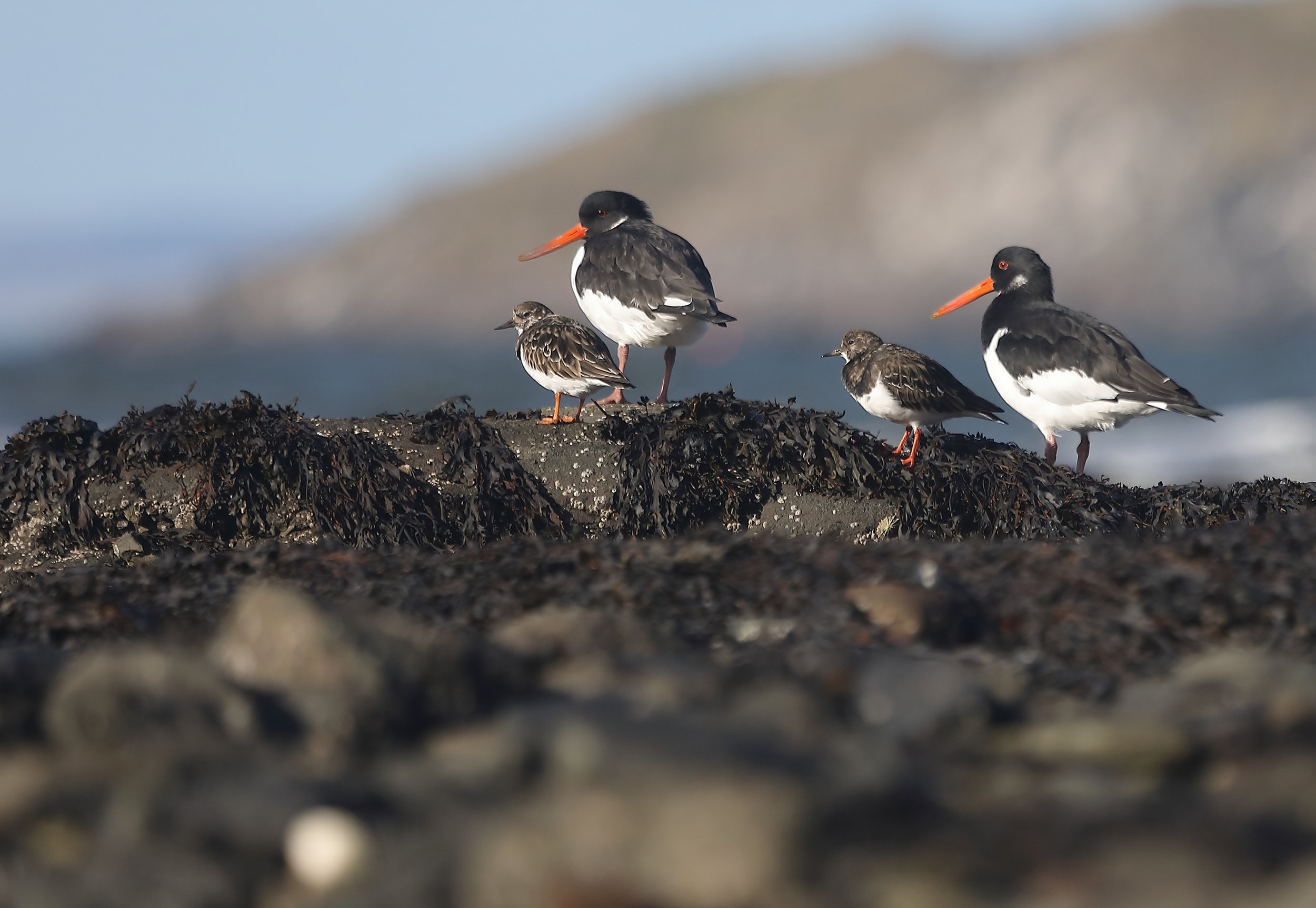
Photo Credit: Christopher Cachia-Zammit
Prolonged heatwaves can have serious consequences for our birds causing behavioural changes, stress, dehydration and breeding failures. Birds are not only vulnerable because they cannot sweat but also because of their ecological requirements. Species such as our Ringed Plovers, Oystercatchers and Lesser Black Back Gulls are incredibly vulnerable during heatwaves as their eggs and chicks cannot escape direct sunlight. Additionally, birds breeding in artificial nest boxes, including species such as Robins, Great Tits and House Sparrows, may also suffer if these boxes are exposed to direct sunlight for prolonged periods of time, causing them to be much hotter inside than a natural nest. If you are installing nest boxes in your garden, consider where you are placing them- the shadier the better! For further guidance, visit RSPB’s Our ultimate guide to nestboxes.
Birds have a much higher core body temperature than us and they only have a limited ability to regulate this. Have you ever seen a blackbird basking in the sun with its beak open? This is the equivalent of panting and is one of the few ways birds can cool themselves down. You can help garden birds during heatwaves by leaving shallow bowls of water out for them to drink and bathe from or alternatively you can create some shady refuges by leaving small sections of your garden to grow wild. This will also support a wider range of species who struggle during heatwaves.
Insects are another victim of heatwaves which often go unnoticed. Sustained warm weather scorches plants that our pollinators need to survive. A decline in our primary consumers is not only a worry for our long-term food security but also puts many mammalian species at risk of starvation, our very special Scilly Shrew is one such species. As an insectivore, the Scilly Shrew eats mainly small insects such as beetles, flies, worms and snails. With temperatures predicted to continue rising over the next few years we can expect to see continued declines in our insect populations and long-term this will continue to put pressure not just on us, but also our mammals.
Spring is arriving earlier every year, and our summers are constantly reaching record breaking temperatures but there are a few things you can do to help protect our native insect populations. Gardening with our pollinators in mind helps provide some resilience against changing climate, planting native wildflowers and nectar rich plants can help bridge seasonal gaps, where wild food sources may be minimal. Insects need water too, and filling shallow dishes with stones and water could provide a crucial lifeline to struggling species.
These recent heatwaves aren’t just happening across our terrestrial landscapes; our marine ecosystems are also feeling the burden of our ever-warming planet. You may have heard the term ‘marine heatwave’ being used recently. It essentially the same as the heatwaves we’ve been experiencing but they are measured slightly differently. Marine heatwaves are defined relative to what is normal for a particular location and time of year. Whilst these marine heatwaves may occur out of sight for most people, their effects are being felt widely. In parts of the Mediterranean over the last few months sea surface temperatures of almost 30 degrees have been recorded, which poses a serious long-term threat to the marine ecosystems in the area. Whilst this event feels a world away, the marine heatwave has very much hit the Isles of Scilly. For example, local diver Izzy Allsop, who runs Isles of Scilly Dive Charters, recently recorded 18 degrees at 21.8 meters during one of her recent excursions, this is far from normal for our waters at this time of year, with a normal reading being around 14 to 15 degrees at this depth. Moving closer to the surface she recorded temperatures of 21 degrees at 6 meters, which is worryingly warm for Scilly.
These prolonged period of unusually warm temperatures in our oceans can influence our marine ecosystems, coastal weather and even the severity of extreme weather events. The most obvious outcome of sustained high ocean temperatures, which is causing concern for many fishermen across the southwest, is the influx of octopus around UK waters. Typically found in the warmer waters to the south, the sudden influx of octopus, is posing some concerns to the livelihoods of local fisherman as well as the resilience of our marine ecosystems.
“Fishing has been incredibly difficult this year. The recent octopus bloom has had a marked effect on crab and lobster stocks, taking away any resilience we have had in previous years, to cover periods of poor weather.” – Island Fish, Bryher.
Simultaneously, this new abundance in octopus has been providing a reliable food source for marine predators including Grey Seals, Risso’s Dolphins, Blue Sharks and Conger eels. This ‘octopus bloom’ is evidence of just how much marine heatwaves can reshape ecosystems and alter the distribution of species across the UK coastline.
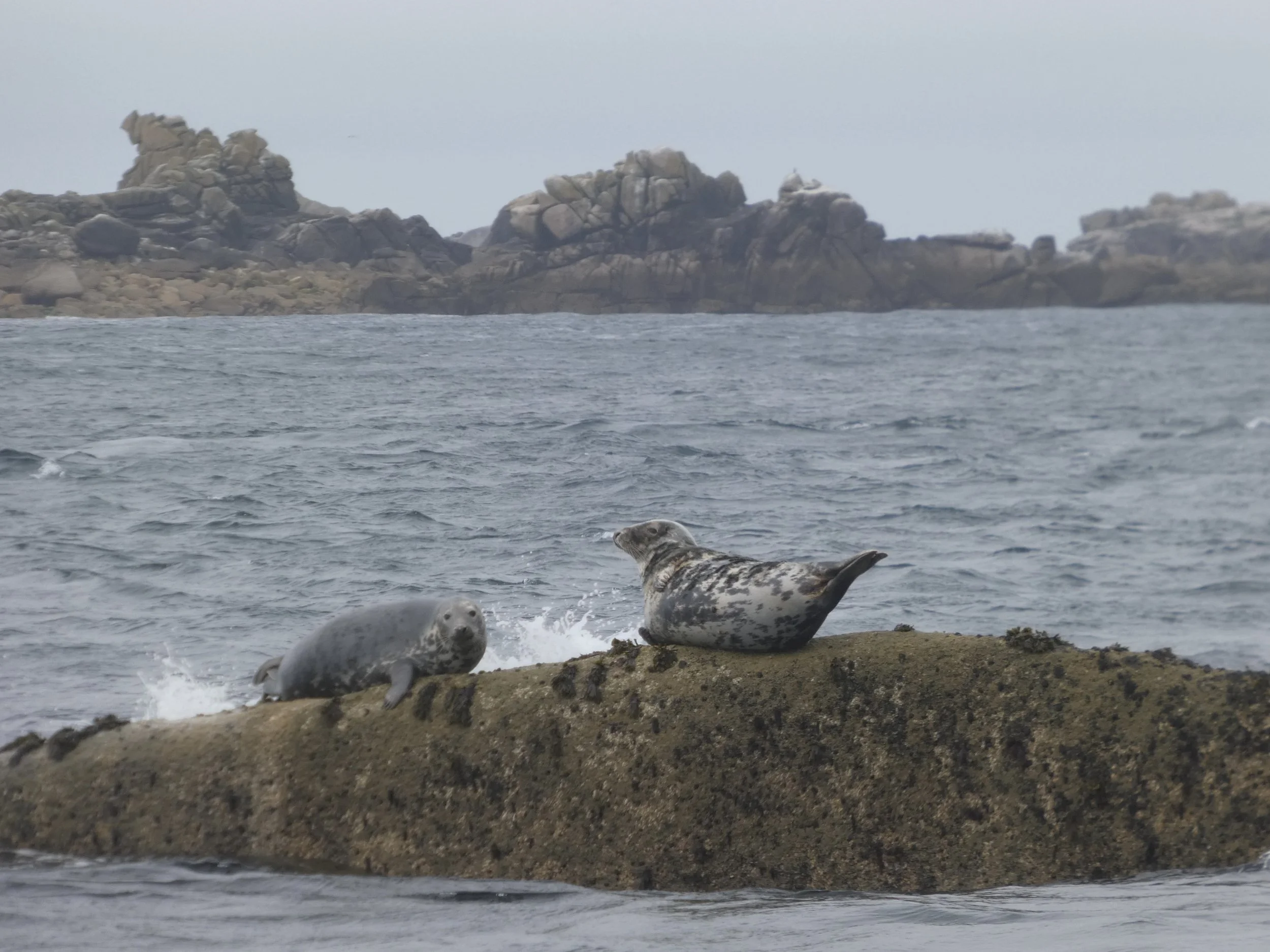
Photo credit: Chloe Jordon
Our oceans absorb more than 90% of the excess heat trapped in the Earth’s climate system, the majority of which is caused by greenhouse gases produced from the burning of fossil fuels. However, when water heats up, it expands and this is what is driving global sea level rise, which we are very vulnerable to here on Scilly. As the planet continues to warm marine and terrestrial heatwaves are going to become more frequent and more intense. These events will continue to damage habitats, disrupt food chains and put pressure on vulnerable species all of which directly affect our way of life.
Climate change is one of the biggest threats to life on our planet and is why we need a global response to reducing our emissions. As an Island community we are already experiencing the effects of climate change, and we are at real risk from sea level rise. This is why it is important that over the next few years we, as a community, work together to become more self-sufficient, e.g. investing in renewable power and locally produced food, to provide ourselves with resilience to climate change.
These are reasons why we need to reduce emissions globally, and make sure we can adapt as an island community.
Thanks to Sarita Whitehead, Conservation Manager, Isles of Scilly Wildlife Trust.